-

CRISPR Gene Editing: Why We Need Slow Science
In a newly published article in Nature, a group of prominent scientists and ethicists have called for a moratorium on clinical research using CRISPR/Cas9 gene editing. This moratorium deals with the use of CRISPR/Cas9 gene editing of the germline — changing heritable DNA in sperm, eggs or embryos to make genetically modified children. In other Read More
-
Gene Drive Technology Makes Mouse Offspring Inherit Specific Traits From Parents
As mouse geneticists, we spend a lot of time waiting for mice to make more mice. Their small size, ease of care and willingness to mate have made mice the “mammal of choice” for scientists for more than a century. Indeed, these wriggly fur balls that strike fear in the hearts of some are owed Read More
-
Can Genetic Engineering Save Disappearing Forests?
Compared to gene-edited babies in China and ambitious projects to rescue woolly mammoths from extinction, biotech trees might sound pretty tame. But releasing genetically engineered trees into forests to counter threats to forest health represents a new frontier in biotechnology. Even as the techniques of molecular biology have advanced, humans have not yet released a Read More
-
Experts Call for Halt to CRISPR Editing That Allows Gene Changes to Pass on to Children
Remember the global outrage four months ago at world-first claims a researcher had used the gene editing tool CRISPR to edit the genomes of twin girls? The molecular scissors known as CRISPR (CRISPR/cas9 in full) allow scientists to modify DNA with high precision and greater ease than previous technologies. Now researchers from the USA, Europe, Read More
-
Using Gene Drives to Control Wild Mosquito Populations and Wipe Out Malaria
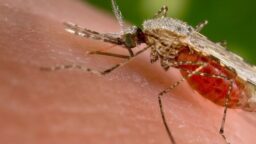
What is the deadliest animal on earth? It’s a question that brings to mind fearsome lions, tigers, sharks and crocodiles. But the answer is an animal that is no more than 1 centimeter long. A few mosquito species, out of the thousands that populate different environments, are the deadliest animals on earth. Anopheles mosquitoes alone, Read More
-
CRISPR Babies Raise an Uncomfortable Reality – Abiding by Scientific Standards Doesn’t Guarantee Ethical Research
Uncertainty continues to swirl around scientist He Jiankui’s gene editing experiment in China. Using CRISPR technology, He modified a gene related to immune function in human embryos and transferred the embryos to their mother’s womb, producing twin girls. Many questions about the ethical acceptability of the experiment have focused on ethical oversight and informed consent. Read More
-

Cardiff University Researchers Develop Two Unique Methods to Attack Cancer
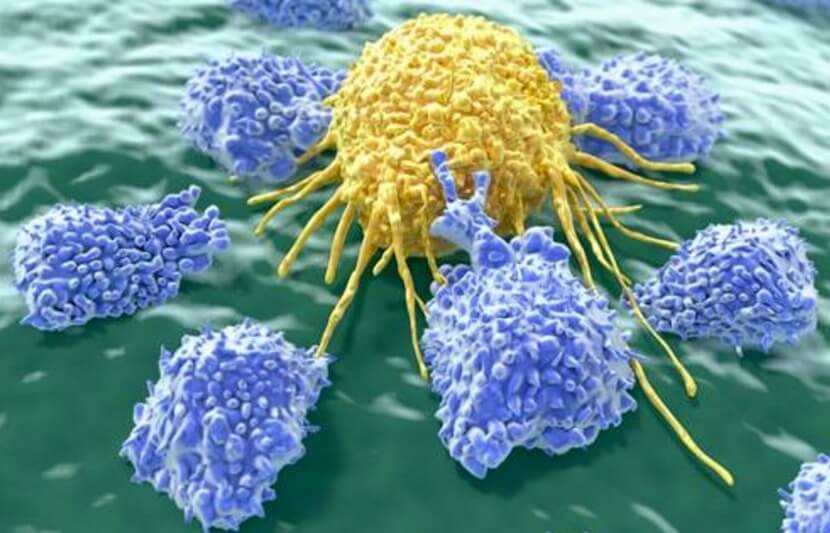
Researchers at Cardiff University in the UK have developed two unique ways of attacking cancer cells. The first method targets cancer-ridden T-cells without harming healthy ones, while the second method uses genetically engineered healthy T-cells to destroy cancerous cells. T-cells, a type of white blood cell, are a part of the immune system that help Read More
-
Tel Aviv University Uses DNA-Editing Technology to Fight Antibiotic-Resistant Germs
In past years, fear of infectious disease progressively dwindled. The flu or common cold has been treated with a short trip to the doctor and a few pills. Unfortunately, the bacteria, fungi, viruses, and parasites that cause illness are growing increasingly immune to antimicrobial drugs, such as antibiotics, antifungals, antivirals, antimalarials, and anthelmintics. As of Read More
-

Temple University Researchers Remove HIV From Infected Cells Through Gene Editing Technology
A team of scientists from the Lewis Katz School of Medicine at Temple University has developed a method to extract HIV DNA from the cells of living animals. With the team’s revolutionary and successful testing, the permanent cure for HIV may finally be within reach. The team used CRISPR/Cas-9, a gene editing technology, to eliminate Read More